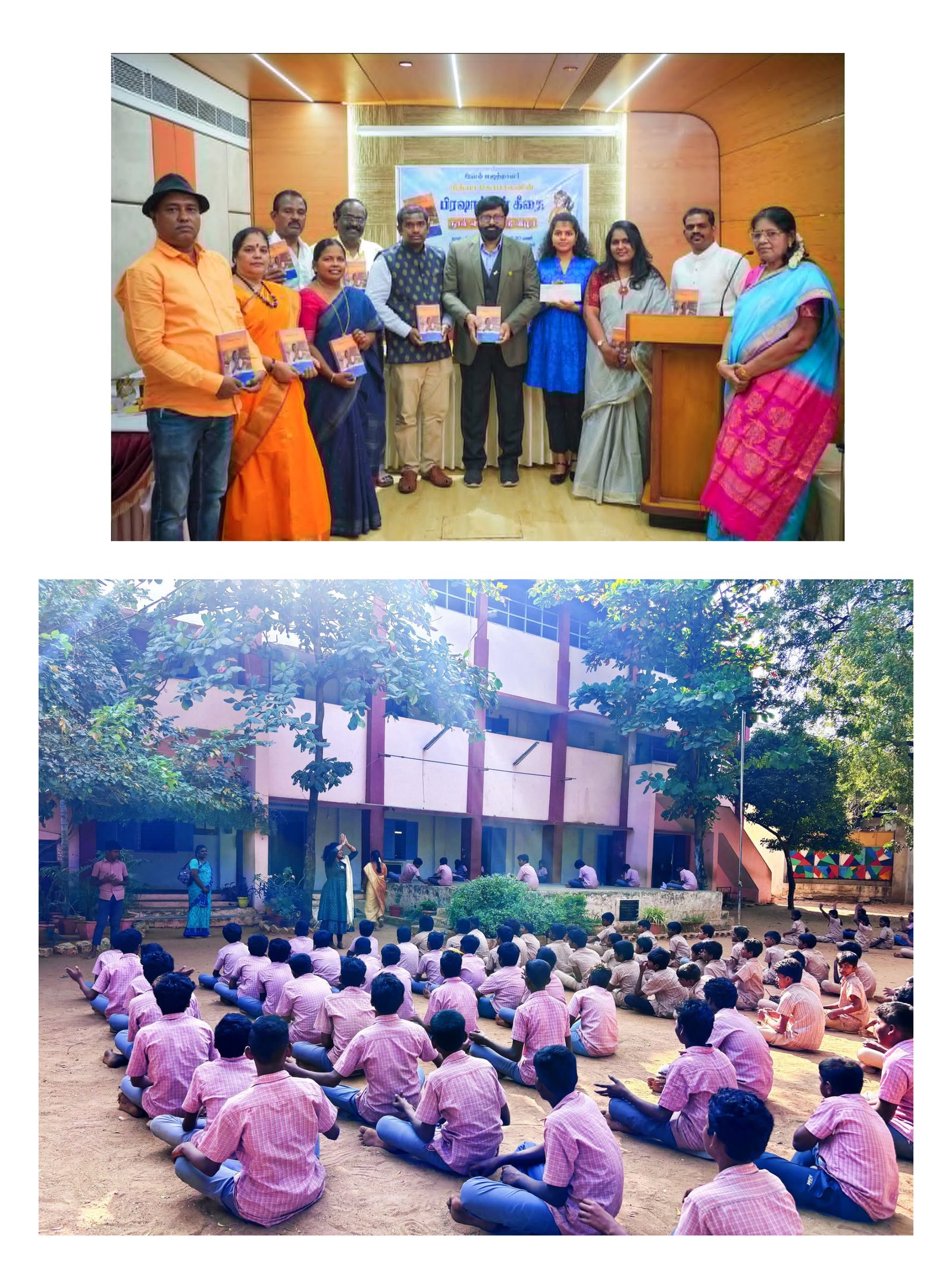
LotusOcean meditation is taught in small groups on several continents, in person and online — a practice its founder, Prashant Trivedi, describes as centering rather than withdrawal.
Meditation is often pictured as a solitary act: eyes closed, attention drawn inward, the outside world shut out. LotusOcean meditation, developed by Prashant Trivedi, takes a different approach. Rather than isolating awareness, the practice aims to expand it outward — toward the body, the immediate surroundings, and a felt sense of connection with nature and the wider world.
What the Practice Involves
Sessions combine breathing, posture, and attention work with an emphasis on what Trivedi calls ‘centered’ presence — being fully located in the body and the present moment rather than pulled between thoughts. Classes are taught both outdoors and indoors, in person and over video call, to groups that range from a handful of participants to larger gatherings.
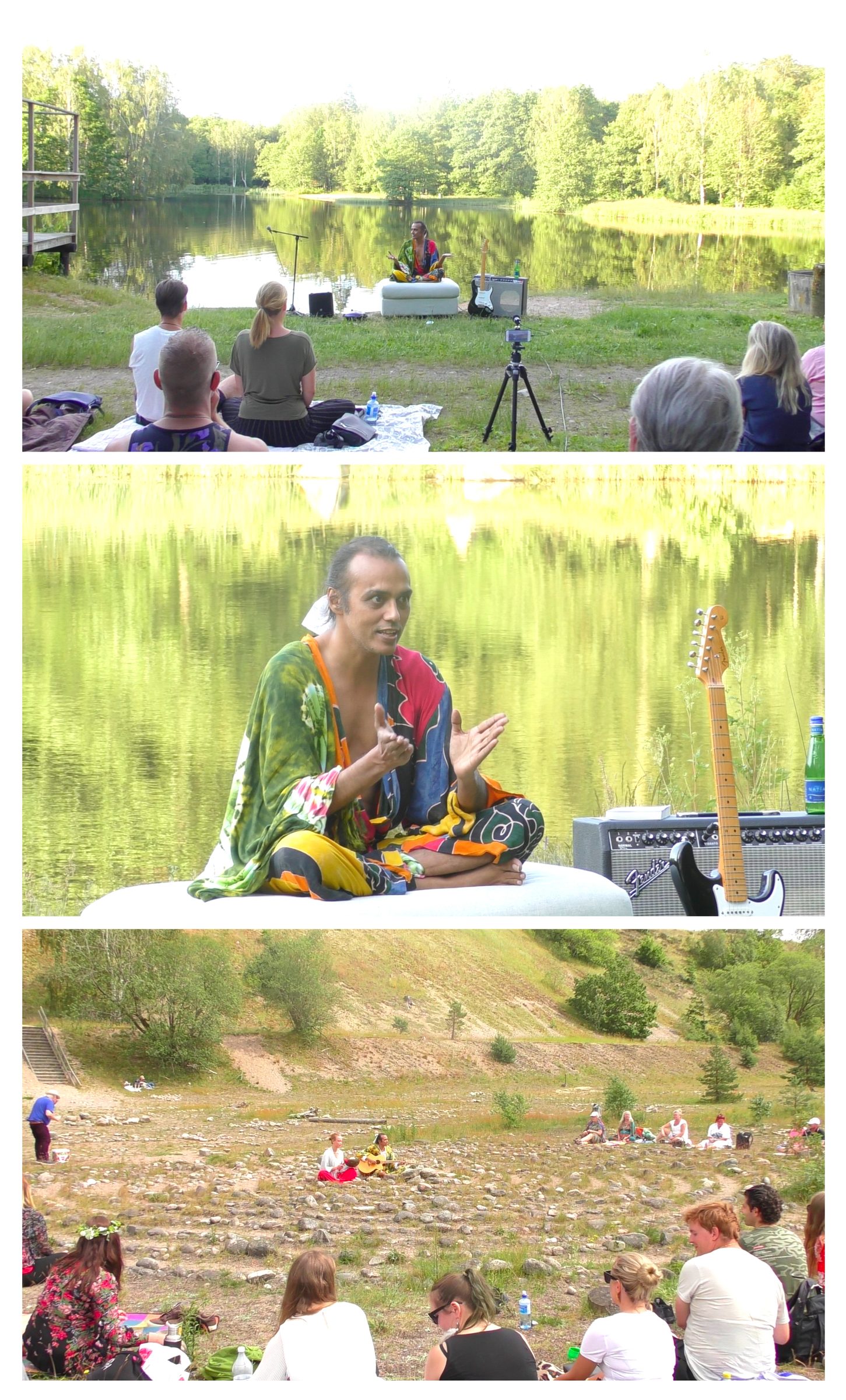
Teachers trained within the LotusOcean framework carry the practice into their own communities. One long-running example is in Albania, where sessions have run continuously for several years and are taught in multiple languages to accommodate local and international participants.

A Practice Taught in Groups
Unlike apps or recorded programs meant for solitary use, LotusOcean meditation is built around group practice. Trivedi and the teachers he has trained work directly with practitioners, adjusting instruction to the group in front of them rather than delivering a fixed script.
This mirrors the broader philosophy behind LotusOcean: growth understood as something practiced in relationship with others and with the environment, not pursued in isolation.
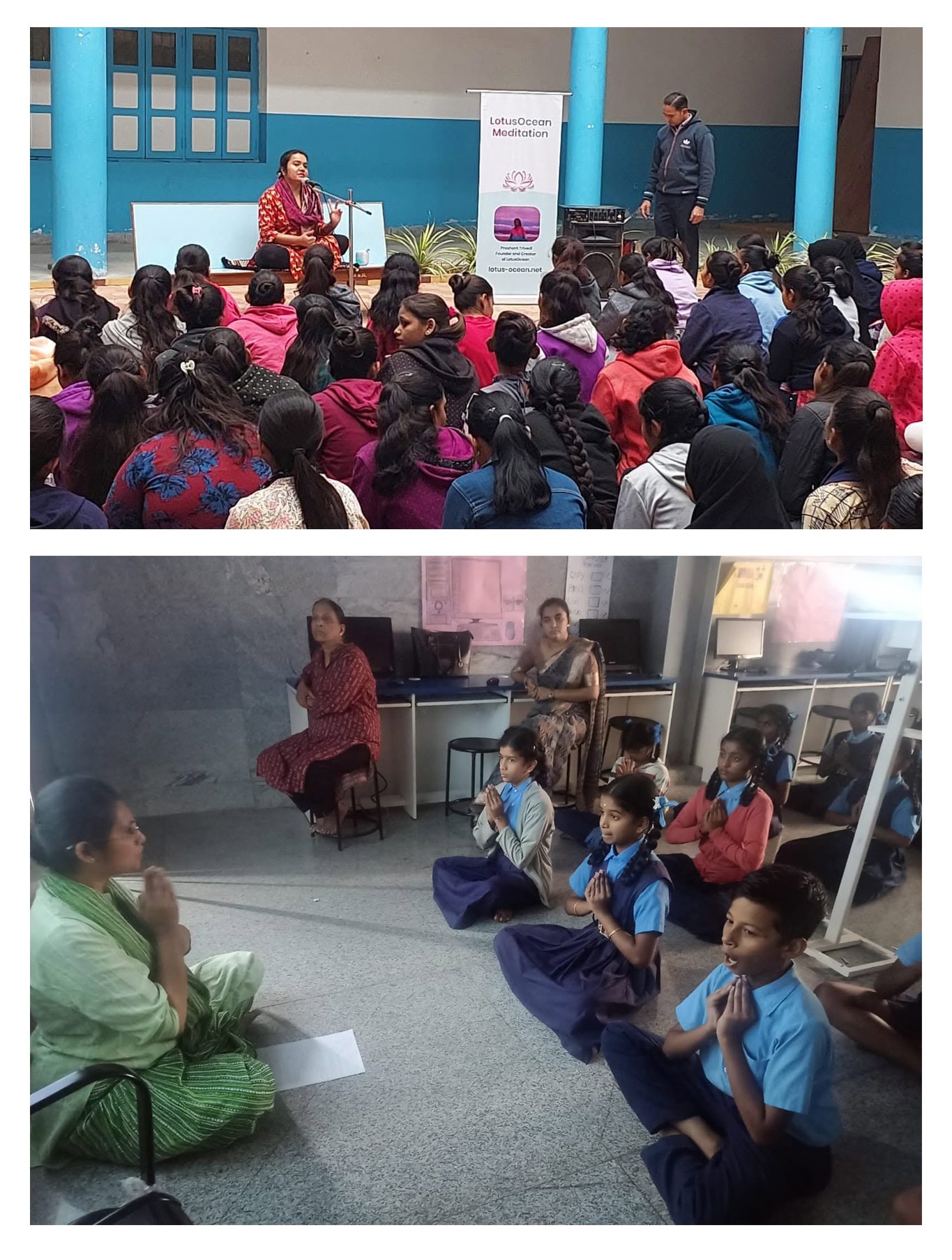
Reported Outcomes
Practitioners commonly describe a greater sense of calm, groundedness, and connection with nature after sustained practice. As with any meditation practice, individual experiences vary, and LotusOcean meditation is offered as a contemplative and wellbeing practice rather than a medical treatment.
The practice sits alongside the other strands of Trivedi’s work — including his music and audio-visual recordings — as part of a wider body of material exploring consciousness and connection to nature.

Conclusion
LotusOcean meditation continues to grow through teachers trained directly by Trivedi, carrying group sessions into new communities online and in person. Session updates and recordings are posted on LotusOcean’s video archive on YouTube.